
























European Shorthair: Personality, Life Expectancy, and Price

European Shorthair
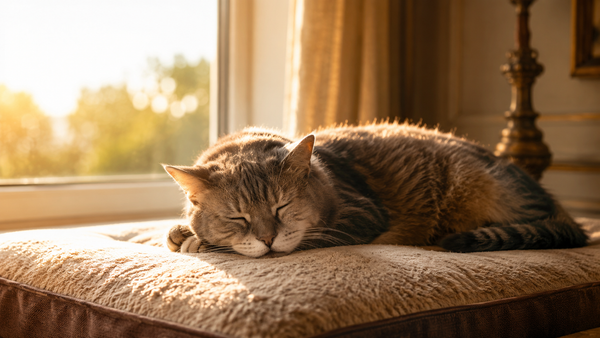
The European Shorthair is perhaps the most common cat in the Netherlands—and yet few people realize that it is a distinct breed. Many cat lovers refer to this type as “just a house cat,” without realizing that behind its seemingly simple appearance lies a remarkable story.
The breed is often labeled “mixed-breed.” Not because it is inferior, but precisely because, unlike other purebred cats, it has not been selectively bred for specific appearance, color, or behavior. The European Shorthair is the result of centuries of natural evolution among cats that adapted on their own to life in and around European homes, barns, and farms. No human directed them—nature did the work.
Yet this cat is anything but "standard. The European Shorthair is powerful, robust, smart and has character. No exaggerated looks, but a reliable animal you can rely on. And that is exactly why it is so popular in the Netherlands!
So what makes this cat so suitable for modern households? And why does he deserve more appreciation than he often gets? We dive into that now!
Why is the European Shorthair so popular in the Netherlands?
The European Shorthair is the most popular domestic cat in the Netherlands for good reason. Its easy-going nature is ideal for families!
What makes this cat truly unique is that it is often available through adoption. Unlike many pedigree cats, a European Shorthair usually does not require you to go to an expensive breeder. Animal shelters and shelters in the Netherlands are full of sweet European Shorthairs (or crossbreeds thereof) waiting for a warm basket. That makes this cat not only accessible, but also an ethical choice.
European shorthairs for adoption
In addition, the European Shorthair is an ideal first cat. He requires relatively little maintenance, adapts easily to new situations and has a stable character. Whether you live in an apartment or have a house with a garden - this cat quickly feels at home. No diva, just an honest, sociable roommate.
Are you looking for a cat that suits you without having to change everything in your home? Then the European Shorthair is a fantastic choice.

Appearance of the European Shorthair
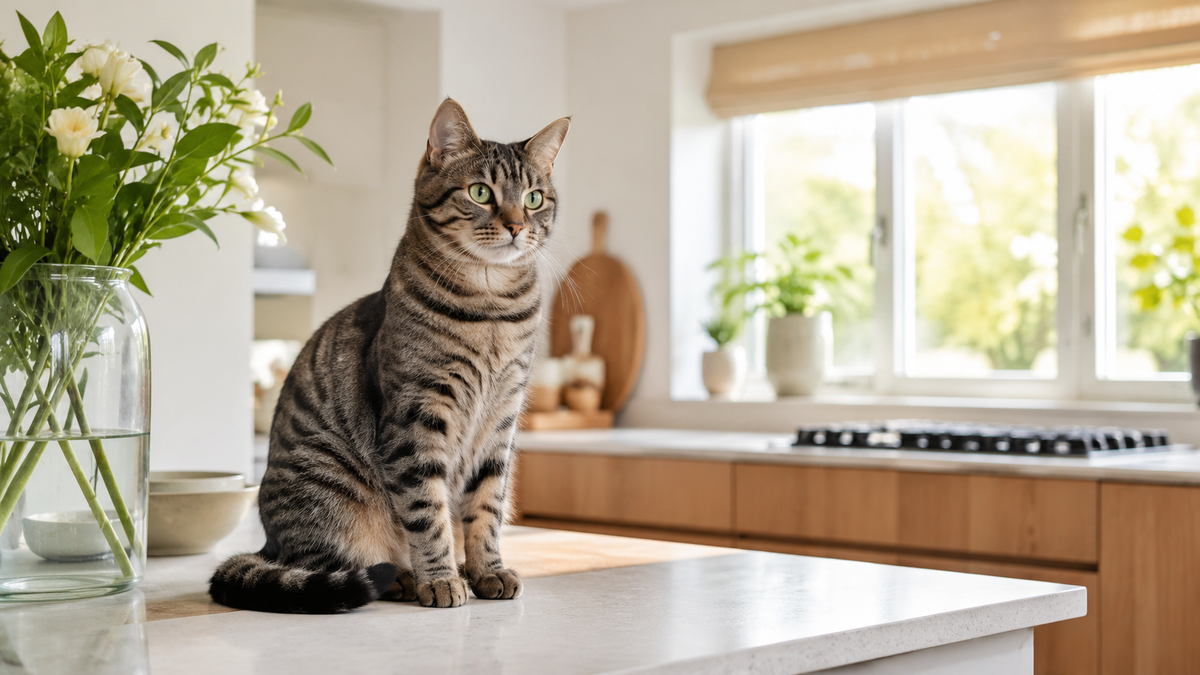
Although the European Shorthair may not appear to be an official breed cat, its appearance is certainly not inferior to the better-known cat breeds. What immediately stands out is the huge variety of colors and patterns. Whether you fall for solid black, warm red, classic gray or a tiger-like striped coat - the European Shorthair offers something for every taste. This natural diversity is due to its broad genetic background and the fact that it is not purpose-bred for one look.
This cat is also a dream in terms of coat care: the short, dense coat requires little maintenance. A weekly brushing is often enough to remove loose hair and keep the coat shiny. Perfect, then, for people who don't have the time (or inclination) for a daily grooming routine.
European Shorthair and British Shorthair
The European Shorthair is often confused with the British Shorthair - and that makes sense, as they look quite similar at first glance. Yet there are distinct differences. The European Shorthair is somewhat slimmer and more athletically built, while the British Shorthair, on the other hand, has a round, compact body with a full, teddy bear-like head. The coat of the British Shorthair is also noticeably thicker and woolier than that of its European cousin.
Curious about the exact differences between these two popular cats?
Buy European Shorthair
Are you really interested in a European Shorthair, but don't know whether it's better to choose a kitten from the shelter or a recognized breeder? Then this is just the piece you need to read. The European Shorthair is a versatile cat, but the way to a reliable address is not always clear. Below we explain everything clearly for you.
Asylum or breeder?
Many European Shorthair kittens are actually crossbreeds of domestic cats, and these are the ones you’ll most often find at the shelter. For those who don’t care about a pedigree or exact lineage, adopting from a shelter is often the ideal choice: it’s affordable, ethical, and you’re giving a cat a second chance. Expect to pay a fee of about €100 to €150 when adopting, which includes a microchip, spaying or neutering, and vaccinations.
If you’re looking for a cat with a more predictable temperament or pedigree, you should turn to certified breeders. They breed European Shorthairs according to the breed standard. Please note: at a reputable cattery, prices for a well-socialized kitten—including health tests, vaccinations, and a microchip—often range from €500 to €800. Also keep in mind that you’ll often be placed on a waiting list when purchasing from a breeder.
Which is better?
For most people, adopting from the shelter is an excellent and affordable choice. European Shorthairs are naturally strong, sociable and easy to care for - even without a pedigree. However, if you want a specific look, character line or plan to show or breed, then a licensed cattery makes more sense.
What should you look for in a healthy kitten?
Whether you adopt or buy, these are the things to look out for when picking out a healthy European Shorthair kitten:
- Clear eyes and clean ears
- A supple, shiny coat
- No bloated belly or diarrhea
- Curiosity and social behavior
- Vaccination booklet, chip and deworming status up to date
How big and old does a European Shorthair get? What health problems are there?
The European Shorthair is known as a robust and healthy cat breed with a fairly long life expectancy. Most cats live to be between 13 and 17 years old on average, but with good care and a little luck, some even reach 20.
Size and physique
In terms of size, the European Shorthair is a medium-sized cat with a muscular and compact body. Males typically weigh between 4 and 6 kilograms, while females are slightly lighter. Compared to purebred cats such as the Maine Coon or Ragdoll, it is smaller, but by no means fragile. Its physique is built for an active outdoor lifestyle: powerful, agile, and alert.
Energy and activity
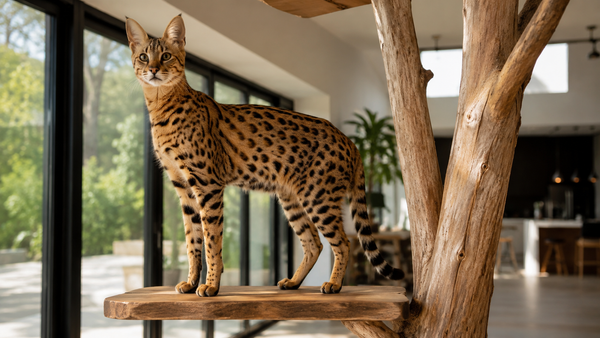
The European Shorthair is naturally an active and independent cat. It loves to climb, hunt, or simply lounge on a warm windowsill. As an indoor cat, it needs plenty of stimulation: think scratching posts, climbing structures, and interactive toys.
Health and hereditary diseases
Because this breed evolved naturally - without too much interference from humans - hereditary diseases are relatively rare. Still, no cat is 100% free of health risks. Conditions to keep an eye on are:
- Dental problems, especially among older people
- Kidney problems (especially when not properly hydrated)
- HCM (Hypertrophic Cardiomyopathy), a heart muscle disease that occurs occasionally
Parasitic infections, such as worms, can also make your cat sick, especially if it spends a lot of time outdoors. Would you like to know how to recognize and prevent worms in cats?

Why exactly no expensive pedigree cat is necessary for a great pet
Not every cat needs to have a pedigree or exclusive pedigree to be special. The European Shorthair proves that character, health and companionship do not depend on an expensive price tag.
Intelligent, gentle, playful and robust, he adapts effortlessly to your life, whether you live in a flat or have a house with a garden.
For those looking for a loyal companion with no fuss,this may be the best cat breed out there!
Welke kattenbak past bij een Europese Korthaar?
Het korte antwoord: een bak van gemiddeld formaat, waar hij vlot aan went en die altijd schoon is. Dat zit zo:
- Gemiddeld formaat volstaat. De Europese Korthaar is een middelgrote kat: katers wegen zo'n 4 tot 6 kilo. Een enorme bak hoeft niet, maar wat extra ruimte is nooit weg, zodat hij makkelijk kan draaien en zich prettig voelt.
- Hij went doorgaans vlot. Dit is een nuchter, aanpasbaar ras dat zich makkelijk aan nieuwe situaties aanpast. De meeste Europese Kortharen stappen zonder gedoe over op een nieuwe bak.
- Houd hem schoon, altijd. Een zindelijke kat is gesteld op een schone bak. Een bak die niet elke dag geschept wordt gaat ruiken, en een vieze bak wordt gemeden.
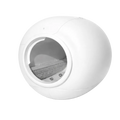
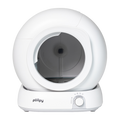
Die eisen samen verklaren waarom veel baasjes uitkomen bij een automatische kattenbak: die houdt de bak na elk bezoek schoon, zonder dat jij dagelijks hoeft te scheppen. De Poopy Nova Pro heeft een ruime trommel (geschikt voor katten van 1 tot 10 kilo, huishoudens tot 3 katten), pauzeert de reiniging zodra je kat op of in de bak stapt en sluit geurtjes luchtdicht op in het afvalcompartiment. En met 50 dagen proefpoepen ontdek je zonder risico of het bij jouw Europese Korthaar past: went het niet, dan krijg je je geld terug.
Eerst meer weten over hoe zo'n bak werkt, wat hij kost en waar je op let? Lees onze complete gids over automatische kattenbakken. Komt jouw Europese Korthaar ook buiten? Kies dan vulling die sterk klontert en weinig aan poten blijft plakken; hoe je kiest lees je in de kattenbakvulling-keuzegids.