
























Wormen bij katten: symptomen, behandelen en voorkomen

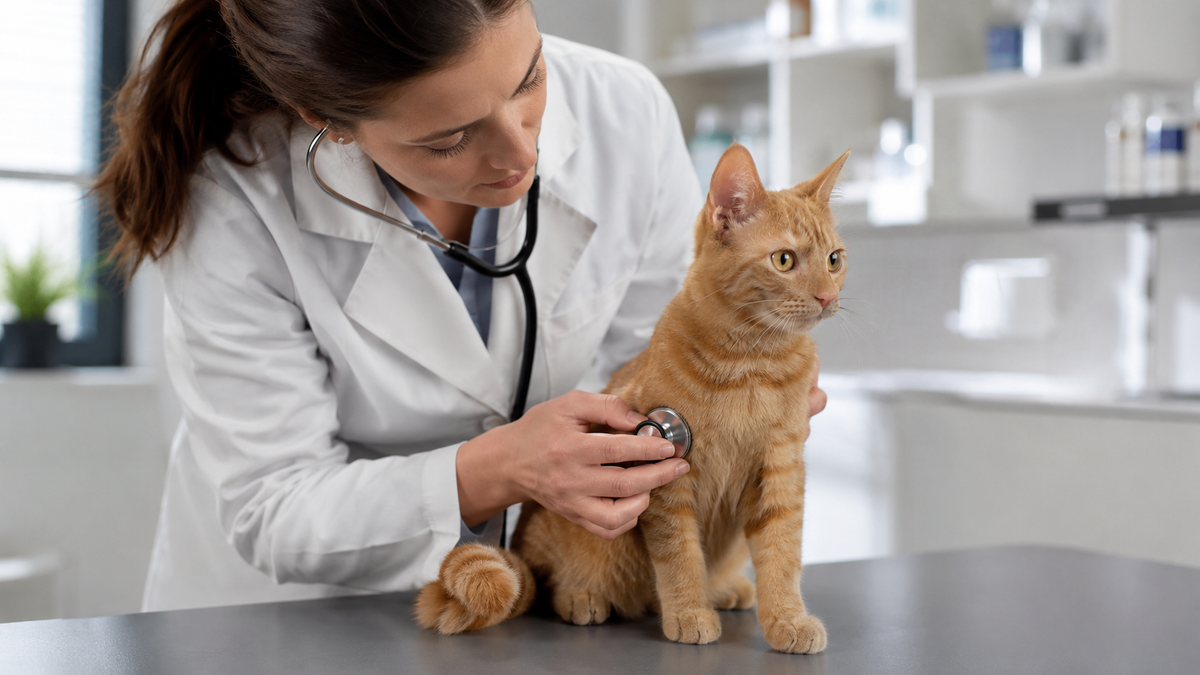
Vrijwel elke kat krijgt in zijn leven een keer wormen, en veel katten lópen ermee rond zonder dat je het ziet. Toch is het belangrijk om er alert op te zijn: wormen kosten je kat voedingsstoffen en energie, en sommige soorten zijn overdraagbaar op mensen. In dit artikel: hoe je wormen herkent, hoe je ze behandelt en met welk ritme je ze voorblijft.
De meest voorkomende wormen bij katten
- Spoelwormen: de meest voorkomende soort, spaghetti-achtige wormen in de dunne darm. Kittens krijgen ze vaak al via de moedermelk.
- Lintwormen: platte, gelede wormen. De besmetting loopt meestal via vlooien (de kat slikt bij het wassen een besmette vlo in) of via prooidieren. De losse segmenten zien eruit als rijstkorrels rond de anus of in de ontlasting.
- Haakwormen: kleiner en minder vaak voorkomend, maar hardnekkig; ze voeden zich met bloed via de darmwand.
Zo herken je wormen bij je kat
De signalen verschillen per soort en per kat, maar dit zijn de klassiekers:
- Zichtbare wormen of rijstkorrel-segmentjes in de ontlasting of rond de anus
- Een opgezette, bolle buik (vooral bij kittens) terwijl de rest mager blijft
- Afvallen ondanks goede eetlust, of juist minder eetlust
- Doffe vacht, braken, diarree of slijmerige ontlasting
- "Sleetje rijden" (met het achterwerk over de grond schuiven) door jeuk
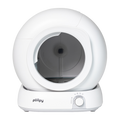
Handig om te weten: wie een automatische kattenbak heeft, ziet de ontlasting geconcentreerd terug bij het wisselen van het zakje. Dat is hét moment om even te letten op wormen of rijstkorrels; zo controleer je wekelijks zonder er iets extra's voor te doen.
Wormen behandelen: zo pak je het aan
Behandelen doe je met een ontwormingsmiddel (wormenkuur) van de dierenarts, als tablet, pasta of pipet. Belangrijk daarbij:
- Gebruik middelen via de dierenarts en doseer op het actuele gewicht van je kat. Vrij verkrijgbare middelen zijn niet altijd effectief tegen alle soorten.
- Behandel bij lintworm ook de vlooien, anders is de kat binnen een paar weken opnieuw besmet. Vlo en lintworm zijn een duo.
- Behandel alle katten in huis tegelijk, anders besmetten ze elkaar opnieuw.
- Ververs de kattenbak grondig na de kuur en houd hem daarna extra schoon: wormeieren verspreiden zich via ontlasting.
Hoe vaak ontwormen? De vuistregels
- Kittens: vaker, volgens een vast schema dat je dierenarts meegeeft (de eerste maanden meerdere keren, omdat besmetting via de moeder gebruikelijk is).
- Volwassen katten met buitentoegang of jachtgedrag: als vuistregel zo'n vier keer per jaar.
- Binnenkatten: minder vaak, in overleg met de dierenarts; ook binnenkatten kunnen besmet raken (via vlooien, schoenen of andere huisdieren), dus helemaal overslaan is geen goed idee.
Twijfel je over het juiste ritme voor jouw situatie? Eén telefoontje naar de dierenartsenpraktijk is genoeg; die kennen je kat en zijn leefstijl.

Zijn kattenwormen besmettelijk voor mensen?
Sommige wel, met name spoelwormen: hun microscopische eieren kunnen via ontlastingsresten op handen of in zandbakken bij mensen terechtkomen, en vooral kinderen zijn gevoelig. De preventie is simpel: handen wassen na het verschonen van de bak, de bak zelf schoon houden, zandbakken afdekken en je kat trouw ontwormen. Een hygiënische, gesloten afvalafvoer helpt daarbij: bij een automatische bak zit de ontlasting luchtdicht in een zakje in plaats van open in de bak.
Veelgestelde vragen over wormen bij katten
Kan een binnenkat wormen krijgen?
Ja. Vlooien (die lintworm overbrengen) liften mee op kleding en andere huisdieren, en spoelwormeieren komen binnen via schoenen. De kans is kleiner dan bij een buitenkat, maar niet nul.
Hoe zien wormen in kattenontlasting eruit?
Spoelwormen als bleke, spaghetti-achtige slierten; lintworm-segmenten als witte rijstkorrels die soms nog bewegen. Zie je dit, behandel dan en check ook op vlooien.
Mijn kat heeft net een wormenkuur gehad maar heeft alweer wormen. Hoe kan dat?
Meestal door herbesmetting: onbehandelde vlooien, andere katten in huis die niet mee-behandeld zijn, of een vieze bak waar eieren in achterbleven. Pak alle drie tegelijk aan.
Kan ik wormen voorkomen?
Volledig voorkomen niet, maar het risico flink verkleinen wel: vast ontwormingsritme, vlooienpreventie, een schone kattenbak en handen wassen na het verschonen.
Meer over een hygiënische kattenbak-routine lees je in onze complete gids over automatische kattenbakken; hoe je poepproblemen aanpakt in kat poept buiten de bak.